
4. March 2026
Symbols as a Bridge to Wholeness
Symbols are much more than representations or metaphors. They are psychological necessities. Across civilizations and into deep human time certain images — including serpents (often as dragons), trees, oceans, circles — recur with enduring persistence. For Jung, this recurrence was no accident. He proposed that such images arise from the collective unconscious, a deep psychic substratum shared by all humanity across time and structured by archetypes. Symbols, in this view, are not invented so much as discovered: they emerge spontaneously in our dreams, myths/fairy tales, fantasies, and works of art as expressions of our inner psychic processes. They tell us something about the inner world of the individual and of their cultural context.
Joseph Campbell understood mythic symbolism as a living map of the human journey. In The Hero with a Thousand Faces, he described the “monomyth” or hero’s journey — a symbolic narrative pattern that mirrors psychological transformation. Its arc weaves through a descent into darkness, an encounter with trials, and a return with insight. These mythic motifs are the language of inner developmental tasks laid before us. We are, in effect, living our own myths, whether consciously or not. Our task is to ensure we are not playing our shadow myths and to more fully inhabit and integrate what dwells in our unconscious.
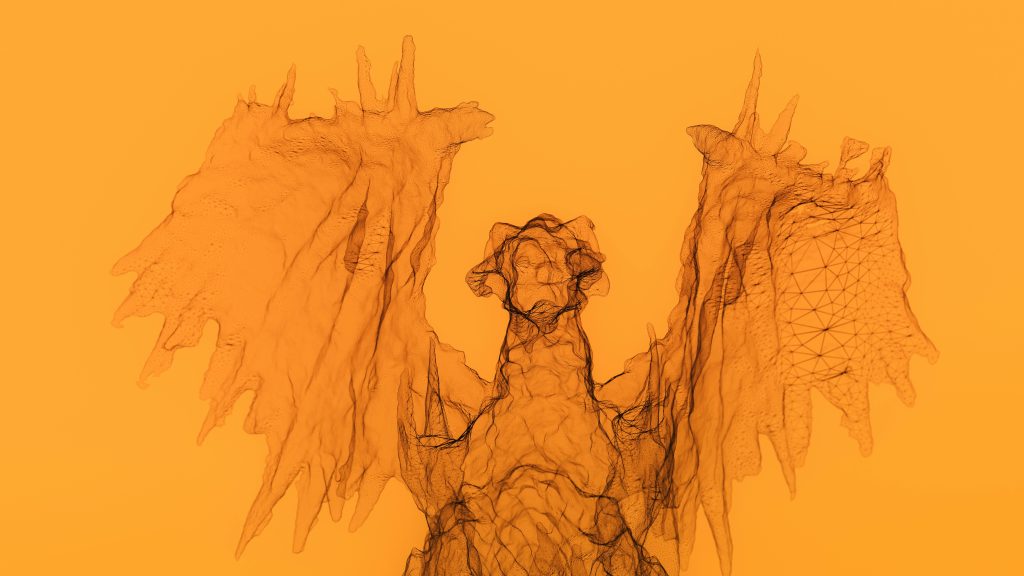
From an analytical perspective, symbols function as mediators between conscious awareness and the unconscious realms. They hold tension, like the string of a violin; known and unknown, personal and universal, instinct and aspiration, masculine and feminine. A dream image of a crumbling house may symbolize ego instability; a vast ocean the immensity of the unconscious itself. Crucially, symbols are not reducible to fixed meanings. As Jung emphasized, a true symbol always points beyond itself, containing more meaning than reason comprehend. Our psyches are entangled and use symbolism that holds meaning within our unique experience of self.
In the clinical setting of analytical psychotherapy, engaging symbolically — through dream analysis, active imagination and shadow work — can deepen self-understanding. Rather than explaining away symbolic material, we approach it with disciplined curiosity, allowing slow, real-world integration of our own story. What is this image asking of the psyche? What transformation does it anticipate? How will I integrate the tension, rather than polarise?
In a culture where literalism and rationalism are sovereign, reclaiming symbolic literacy and the skills to integrate the motifs they speak of, is psychologically vital. Symbols are the mother tongue of the unconscious, held in myths and fairy tales in transposed realities. To attend to them is to enter dialogue with the unconscious — an encounter that can foster integration, resilience, and a more coherent sense of self. Through such encounters we can become who we really are.